Evenings were never quiet in the Stanton household. While the rest of the neighborhood slept, “Mimi” was at the hospital, tending to patients under the dim fluorescent lights. Later, she’d race home to make breakfast and see her children off to school, navigating the delicate balance of career and family with a determination few could match. In the 1960s, when women were expected to stay home and men were “the breadwinners,” Mimi quietly redefined what it meant to be both a mother and a professional.
Growing up, Mimi recalls, the expectation was simple: excel in school, pursue a professional career, but always within the confines of traditional gender roles. “Women were expected to stay home and raise their children, do the household chores while the fathers worked,” she explained. Working mothers were rare; those who did work often found themselves in management roles or nursing positions. It was a world that didn’t anticipate women like Mimi would rise to support a family financially while raising children.
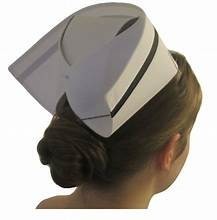
Her path was inspired by family role models. “I had an aunt and cousin both 10 years older than me who were nurses, and I idolized them,” Mimi says. By sixteen, she was working as a nurse’s aide, absorbing the skills and routines of student nurses on the floor. “That confirmed to me that I wanted to be a nurse,” she remembers. Her career began in nurse education, later moving to staff nursing, where she worked long, unconventional hours to care for patients, and her own family.
Being the breadwinner was no small feat. “In the sixties, few mothers in my neighborhood worked,” she recalls. “The biggest challenge was juggling all the demands of being a mother that worked. There wasn’t any ‘me-time’.” Her independence and tenacity, however, made these challenges into opportunities. “Being told I couldn’t do something became a challenge,” she says, laughing. Even when male physicians underestimated nurses, Mimi pressed forward with determination, leadership, and fairness, earning the respect of colleagues and patients alike.
Her life philosophy extends beyond professional success. Mimi’s approach to raising her children was intentional: she wanted them to be good citizens, engaged in extracurricular activities, and to treat others with kindness. “I felt I needed to be a good role model. That is the best way to teach and pass on how you want your family to be,” she explained. Friends and family often saw her as a problem solver, someone they could rely on to “take charge.”
Looking back, Mimi believes her experiences carry lessons for everyone. “You can do anything you want to. Perseverance. Always have a plan, a goal of what you want to do and who you want to become. Most importantly, be your authentic self. Don’t follow others, follow your own ideas. Live by the Golden Rule. Get a good education. Have confidence. Be a critical thinker.”
In a time when societal norms confined women to the home, Louise Stanton, “Mimi” to her grandchildren, quietly broke the mold. Her story is a testament to independence, determination, and resilience. A legacy of strength for her children, her patients, and anyone inspired to defy expectations and follow their own path.